

Medicare sales training has three parts: the required training and tests, current plan knowledge, and the ability to hold the conversation. Handle the first two through CMS and your carriers. Then watch the agent practice to find out what they can actually do.
For agency leaders, the useful question is not how many modules an agent watched. It is whether the agent can hear what the beneficiary needs, explain the plan correctly, and know when to say “let me check” or hand it off.
Most agent conversations now end in a plan decision, which is why the conversation skill matters as much as the test.
Share of eligible Medicare beneficiaries enrolled in Medicare Advantage. 2026: 35.2 million of 64.2 million.
Source: KFF, Medicare Advantage in 2026: Enrollment Update and Key Trends
Separate required preparation from call readiness
The Centers for Medicare & Medicaid Services (CMS) publishes agent and broker training and testing guidance every year. The 2027 version covers the yearly training and test, and what agents need to know about Medicare Advantage and Part D plans.
Pair it with the current CMS materials, each carrier's rules and your compliance reviewer. Check the plan year and the rules that apply to the calls the agent will make.
Do not copy a training checklist from last selling season without checking it. A rule from memory, an old slide or a forum post is not a source. The rules move every year.
Then keep three records apart, because each one answers a different question:
| Record | Question it answers | What it does not prove |
|---|---|---|
| Required preparation | Has the required training been completed? | Readiness for a real conversation |
| Plan/product learning | Can the agent find and explain current material? | Accuracy on the beneficiary's actual question |
| Supervised assessment | Can the agent show the approved process? | Legal certification or promised results |
Your compliance reviewer decides which steps, disclosures, permissions and records apply to each kind of call.
Make “not yet verified” an acceptable answer during training. If the only rewarded behavior is answering fast, agents learn to sound certain when they should be checking a source.
Build a training route with clear owners
Give each part an owner. Operations or compliance confirms the required training, a product specialist keeps the plan materials current, and the sales manager reviews how calls go. In a small agency one person may wear several hats, but keep the jobs separate.
Senior Market Sales runs a Learning Academy and NCC publishes Medicare training resources. Both are paid options to evaluate. Ask about access, affiliation, current-year coverage and what help comes with it.
A field marketing organization, or FMO, may support a training route. The manager still has to write down exactly what the FMO provides and what the agency does next. “The FMO trained them” is too vague to count as a readiness record, so ask what help the team gets after the lesson ends.
For every training resource, write down five things:
Title
Owner
Plan year or version
Last review date
Who it is for
Retire old copies so agents never have to guess which file is current.
Teams that also sell under-65 coverage need a separate Marketplace training route. Do not reuse the Medicare checklist under a new heading.
Owners only work if the sales manager has time to review calls. Jess Chang, Partner at Globe Life, on what practice with Kendo did for her leaders:
Insurance case study: new-agent close rates from about 33% to 60%+
Globe Life's new agents practiced daily with Kendo over about six months, alongside targeted hiring and manager oversight.
“Kendo buys back time for my leaders”
Define what a call-ready agent can demonstrate
Do not sign off an agent with a box that says “passed roleplay.” Write down what you saw and why it passed.
Use this worksheet as a starting point. Adapt it to your approved process and name a reviewer for each row.
| Skill | Evidence to keep | Reviewer | Next step when it is not there yet |
|---|---|---|---|
| Approved opening and scope | Correct steps in the assigned scenario | Process reviewer | Fix the specific missed step |
| Needs discovery | Accurate summary of what the beneficiary said matters | Sales manager | Rehearse the missed question |
| Source-based explanation | Current source and a faithful explanation | Product specialist | Relearn the relevant material |
| Handling uncertainty | Clear “let me check” or handoff | Manager and specialist as needed | Practice the unresolved branch |
| Follow-through | Named action, owner and what to expect | Sales manager | Retry the end of the call |
Keep critical misses visible. An agent can listen well and explain clearly but still add a benefit claim the source does not support. A strong overall impression must not erase that one error.
A readiness review that scores tone
Separate “did not know” from “could not explain.” If the agent cannot find the right source, more practice calls will not help yet. If the source is right but the explanation is muddled, practice is the fix.
Sign-off covers one kind of call, not every call. An agent ready for one plan type is not ready for every plan, channel or odd question. Write down what was checked and what still needs a supervisor.
For the wider setup work around a new hire, use the insurance agent onboarding checklist. Keep the Medicare assessment focused on Medicare calls.
Defining call-ready is what makes progress measurable. United Insurance Pros set its own baseline, then tracked how fast new agents reached it.
Insurance case study: time to baseline cut from 45+ days to 14
United Insurance Pros is a 500+ agent organization. Time to its defined baseline went from 45+ days to 14 days.
“If you've got more than five agents, it's a no-brainer.”
Rehearse three common conversation challenges
Use made-up beneficiaries and approved prompts. These are practice scenarios, not call scripts. Have your compliance reviewer adjust the wording before you use them.
This is why an unsupported claim is worth catching in practice, before it reaches a recorded call.
Beneficiary complaints about the marketing of private Medicare plans, as reported by CMS.
Source: KFF, How Health Insurers and Brokers Are Marketing Medicare (2023), citing CMS
1. Understand the need before explaining a plan
Scenario: A beneficiary says a past call felt rushed, and that keeping a particular doctor matters to them.
The agent's job is to acknowledge the worry, ask the approved questions and repeat the priority back, without promising the doctor is in network. A good practice line: “Keeping that doctor matters to you. Let's pin down exactly what needs checking before we talk about any plan.”
The manager listens for a confirmed understanding, not a fast jump into a presentation. If the agent starts naming benefits before clarifying the need, stop the exercise right there.
For the retry, change the beneficiary's priority. The test is whether the agent listens, not whether they remember the first answer. For objection practice outside Medicare rules, start with these insurance sales objections.
A working life and health agent on why price-first calls stall. Use it to set up the retry: did the agent anchor on price, or on the person's situation?
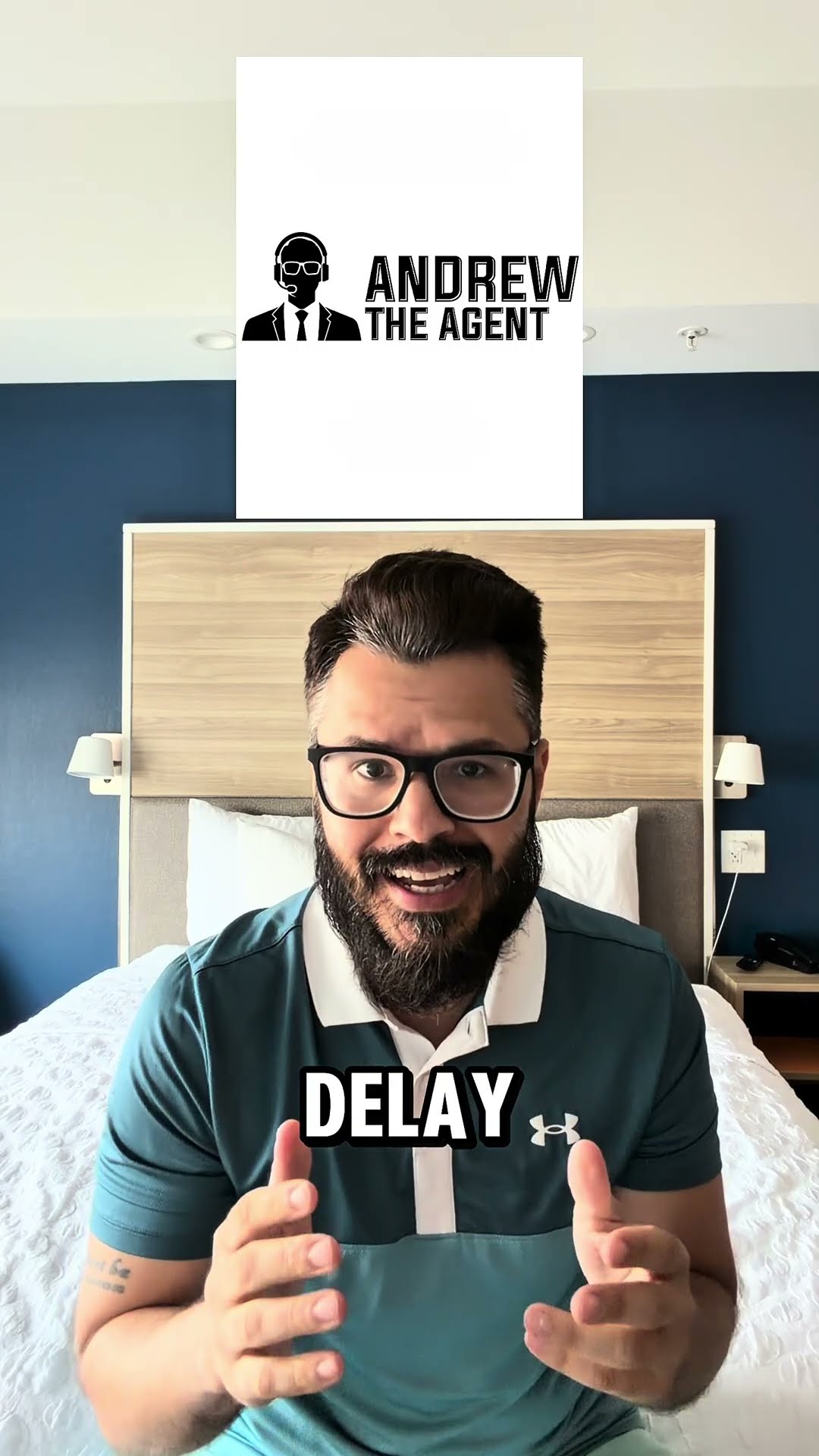
- 0:00Every time you hand over a quote, you train the prospect not to buy.
- 0:15Saying the word “quote” teaches them the lowest price always wins.
- 0:31Quotes create delay. They end up on the fridge and get passed around for opinions.
- 0:47Turn the price comparison back into a conversation about what the person needs.
Question for the reviewer: what did the agent anchor on, price or the beneficiary's priority?
2. Explain only what the approved source supports
Scenario: The beneficiary asks a detailed question the agent cannot answer from memory.
Give the agent the same approved material they would be allowed to use on a real call. Ask them to find the answer, explain it plainly and say what the material does not settle.
An uncertain answer needs a source, not more confidence
The reviewer checks the explanation against the source. Score anything the agent added without support as a separate miss, even if the rest sounded convincing.
If the agent says something vague like “that should be covered,” ask what supports it. The fix is not a more confident version of the same line. It is a checked answer or a clear next step.
“Yeah, that should be covered.”
“Which doctor, and which office? Let me check the current network list first.”
Confident is a tone. Verified is a source.
Original illustration; fictional dialogue.
3. Handle a question outside the approved flow
Scenario: A beneficiary brings up a topic this call is not set up to cover.
The agent should spot the boundary and follow the approved process. The goal is a calm handoff: say what happens next without starting a new sales pitch.
Have the reviewer write the allowed response before the exercise. Otherwise the practice may reward an answer that sounds fine but breaks the required process.
The manager then checks that the agent tells the beneficiary three things:
- What happens next
- Who will handle it
- What the beneficiary should expect
A polite but vague “someone will call you” is not a complete handoff.
Scenarios only work when the practice partner pushes back like a real beneficiary. Kody Skvarla, an insurance team lead, on realism:
Insurance case study: a 5 to 20% team improvement from realistic practice
Kody's wider team reports a 5 to 20% improvement. One top performer roughly doubled his own baseline.
“Kendo matches or beats a human practice partner. The objections are the exact same as real calls.”
Run a manager-led readiness cycle
Start with one uncoached attempt. You want to see what the agent can do today, not how well they repeat what the manager just said.
Then run a short loop that ends in a clear decision:
- Assign one approved scenario. Include the context, reference material and scoring criteria.
- Review the evidence. Find the exact line or missed question behind the score.
- Fix one priority gap. Explain what needs to change and why it matters.
- Ask for a fresh attempt. Change the details but keep the same skill.
- Record the decision and its scope. Note ready, more practice or specialist review.
- 0.50
- Average effect size in favor of being tested over re-reading
- 61
- Studies, published 1975 to 2013
- 159
- Results combined in the meta-analysis
A fresh attempt on changed details is a test. Re-reading the slide is not.
Source: Rowland (2014), Psychological Bulletin, The Effect of Testing Versus Restudy on Retention
Check that reviewers agree. Have two of them score the same call on their own. If they disagree, fix the scoring rule before you call it the agent's problem. Sales coaching software can keep those reviewer scores in one place.
Write criteria two people can score the same way. “Acknowledges the stated concern and checks understanding before responding” is easier to check than “shows empathy.”
Do not require one exact phrase unless that wording is actually required. A natural conversation and an accurate process can go together, so reward the behavior, not a close match to the sample answer.
When the same factual error shows up across several agents, check the training material first. A team-wide miss may point to unclear material, not many individual failures.
Practice Medicare conversations with Kendo
Kendo supports configurable AI roleplay, custom scorecards and recorded-call feedback. A manager assigns the practice call, reads the result and sets up the next attempt.
For a Medicare scenario, the agency supplies the approved context and criteria. The manager checks that the feedback is accurate. An AI score is coaching evidence, not a credential.
A confident answer is not enough when a plan detail still needs checking. Give the agent an approved fictional question, assign the practice and review the follow-up. Practice shows the habit; it does not certify readiness.

Kendo's Feedback tab: each note quotes the moment in the call and says what to do differently.
Kendo's insurance workflow links practice to manager follow-up. It does not replace your enrollment system or stand in for a license.
Keep real beneficiary information out of practice scenarios. Before importing recorded calls, finish your own recording, privacy, access and security review.
Kendo's security page separates what is in place from what is planned. SOC 2 is in progress, and recordings are not used to train AI models.
When choosing a practice platform, the AI sales roleplay tools comparison shows how scenario control and feedback differ. Required Medicare preparation is a separate decision.
Measure improvement without mistaking activity for outcomes
Track progress three ways: what got done, what improved in practice, and what showed up on real calls. Each answers a different question.
Three views of progress, three different questions
A roleplay score is not an enrollment number. Applications and enrollments belong in your agency systems, with clear definitions and dates. Pick the outcome definitions first, using these agency KPIs.
When comparing groups of agents, note differences in experience, lead source, channel and manager attention. A more selective hiring process can change results at the same time as a new training program.
Ask every week: “Which conversation gap still shows up after coaching?” Then assign practice against that evidence.
For a wider provider decision, see the insurance sales training programs compared by curriculum, coaching and practice. Buy for the gap your evidence shows.
Common readiness questions
Does every agent need the same practice plan?
No. Use shared standards where the work is the same, then target the gaps each agent shows. Experienced agents may need a current-plan explanation exercise instead of the full new-agent sequence.
When should the team refresh its scenarios?
When approved materials, rules, the selling context or common beneficiary questions change. Give one owner the job of reviewing and replacing the active version, so old examples do not linger out of habit.
What if the manager disagrees with the automated feedback?
Go back to the transcript and the approved criterion. Fix the score where needed, clarify the scoring instruction and review another sample. The human reviewer still owns the readiness decision.
What is the first practical step?
Pick one common Medicare conversation, find its approved source material and have two reviewers agree on the behavior they expect. That is a solid starting point for the next agent assessment.