
Type "best salesman ever" into Google and you get the same recycled list: a few names, a few clichés, almost no proof. We wanted to do better, so every record below is sourced.
Here's what most of those lists miss. The greatest salespeople ever weren't born closers. They drilled one specific, repeatable skill until it was unfair, then ran it tens of thousands of times.
So this is a ranked list with the receipts: the verified record, what actually made each person legendary, and the single skill you can steal from them. Some sold cars. One sold pianos. One built a billion-dollar empire out of a $5,000 stake. One went to prison.
(TL;DR) The Greatest Salespeople Ever, At a Glance
| # | Salesperson | Known For | The Verified Proof | The Skill To Steal |
|---|---|---|---|---|
| 01 | Joe Girard GOAT | "World's greatest salesman" | 13,001 cars sold | Relentless follow-up |
| 02 | Mary Kay Ash | Built a sales empire | $5K → 800,000 sellers | Sell the opportunity |
| 03 | David Ogilvy | Door-to-door, then ads | "Best sales manual ever" | Know the product cold |
| 04 | Dale Carnegie | Made likability teachable | 30M+ books sold | Make it about them |
| 05 | John H. Patterson | Invented modern selling | 1st sales training school | Use a script, then drill it |
| 06 | Zig Ziglar | Belief as a method | 30+ books, millions taught | Sell yourself first |
| 07 | Ron Popeil | King of the demo | 8M+ rotisseries sold | Show, don't tell |
| 08 | Erica Feidner | The "piano matchmaker" | $40M+ in Steinways | Match, don't push |
| 09 | Steve Jobs | Sold vision, not specs | Reinvented 3 industries | Sell the outcome |
| 10 | Jordan Belfort | Elite mechanics, criminal use | Cautionary tale | What not to do |
| 11 | Ali Reda | The modern record-breaker | 1,582 cars in 2017 | The game's still on |
Every figure below is sourced to authoritative records (Guinness, the Automotive Hall of Fame, Inc., HBR, and the figures' own biographies). Where sources disagree, we say so. This ranking is ours, based on verifiable results, influence on the craft, and how transferable the lesson is.
How We Ranked Them
"Greatest" is a fight you can't fully win, so here's our scorecard. We weighted three things: verifiable results (real records, not legend), influence on the craft (did they change how selling is done?), and a transferable lesson (can a rep actually use it?).
That last one matters most. A salesperson who set a record but taught us nothing ranks below one who reshaped how the whole profession sells. With that out of the way, here's the list.
Joe Girard, the "World's Greatest Salesman"
★ The GOAT1928-2019 · Cars
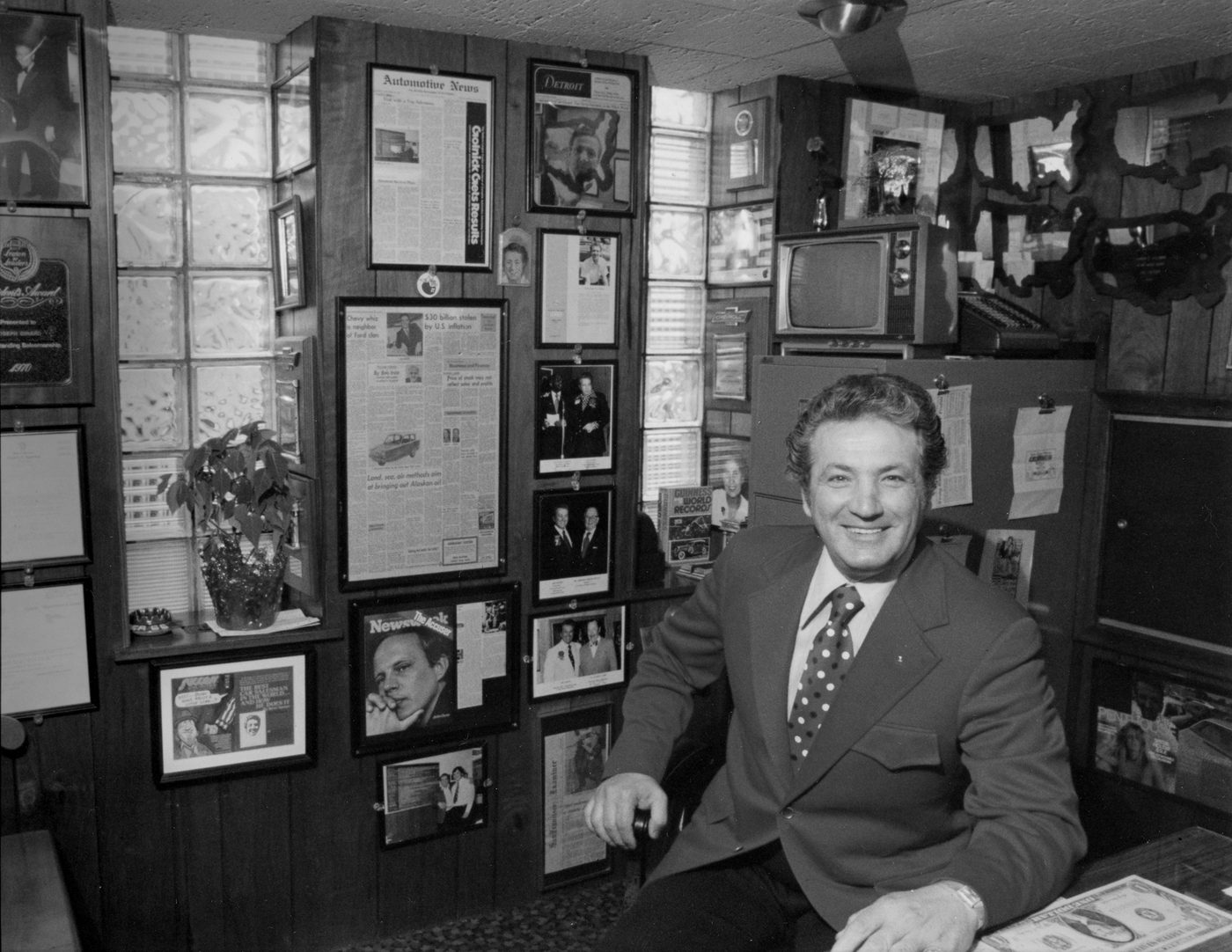
If there's a single name attached to "best salesman ever," it's Joe Girard. Working out of a single Chevrolet dealership in Eastpointe, Michigan, Girard sold 13,001 cars between 1963 and 1978, one customer at a time, no fleet deals (Wikipedia; Automotive Hall of Fame).
The Guinness Book of World Records named him the world's greatest salesman for 12 straight years. His best single year, 1,425 cars in 1973, stood as the benchmark for decades.
What made him great wasn't charm. It was obsessive follow-up. Girard mailed every customer a greeting card every single month, more than 13,000 of them, each one saying simply "I like you." He lived by his "Law of 250": the idea that every person you meet influences roughly 250 others, so you treat all of them like they're worth 250 referrals, because they are (Joe Girard).
The average person knows 250 people important enough to invite to a wedding or a funeral.
JGJoe Girard · the Law of 250Mary Kay Ash, Who Sold the Opportunity Itself
1918-2001 · Cosmetics
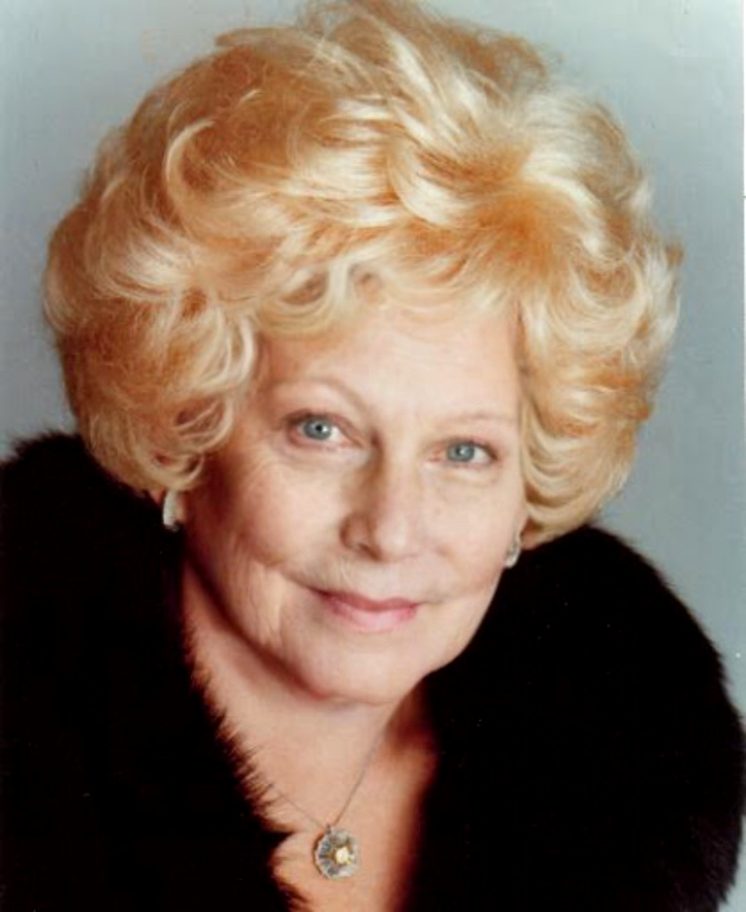
Mary Kay Ash spent 25 years in direct sales, then watched a man she had personally trained get promoted over her. So in 1963 she quit and started her own company with $5,000 and her son's help (Wikipedia; History.com).
Here's the genius move. Ash wasn't just selling cosmetics. She was selling other women a business of their own, at a time when very few had one. By the time she died, Mary Kay had a sales force of more than 800,000 in 37 countries.
And the pink Cadillacs weren't a gimmick. They were the most visible sales incentive in American business. Mary Kay started awarding them in 1969, and the company has since put more than 100,000 of its people behind the wheel of a career car, because Ash understood that recognition motivates a sales team harder than commission alone (Mental Floss).
David Ogilvy, the Door-to-Door Closer Who Wrote the Book
1911-1999 · Stoves, then advertising
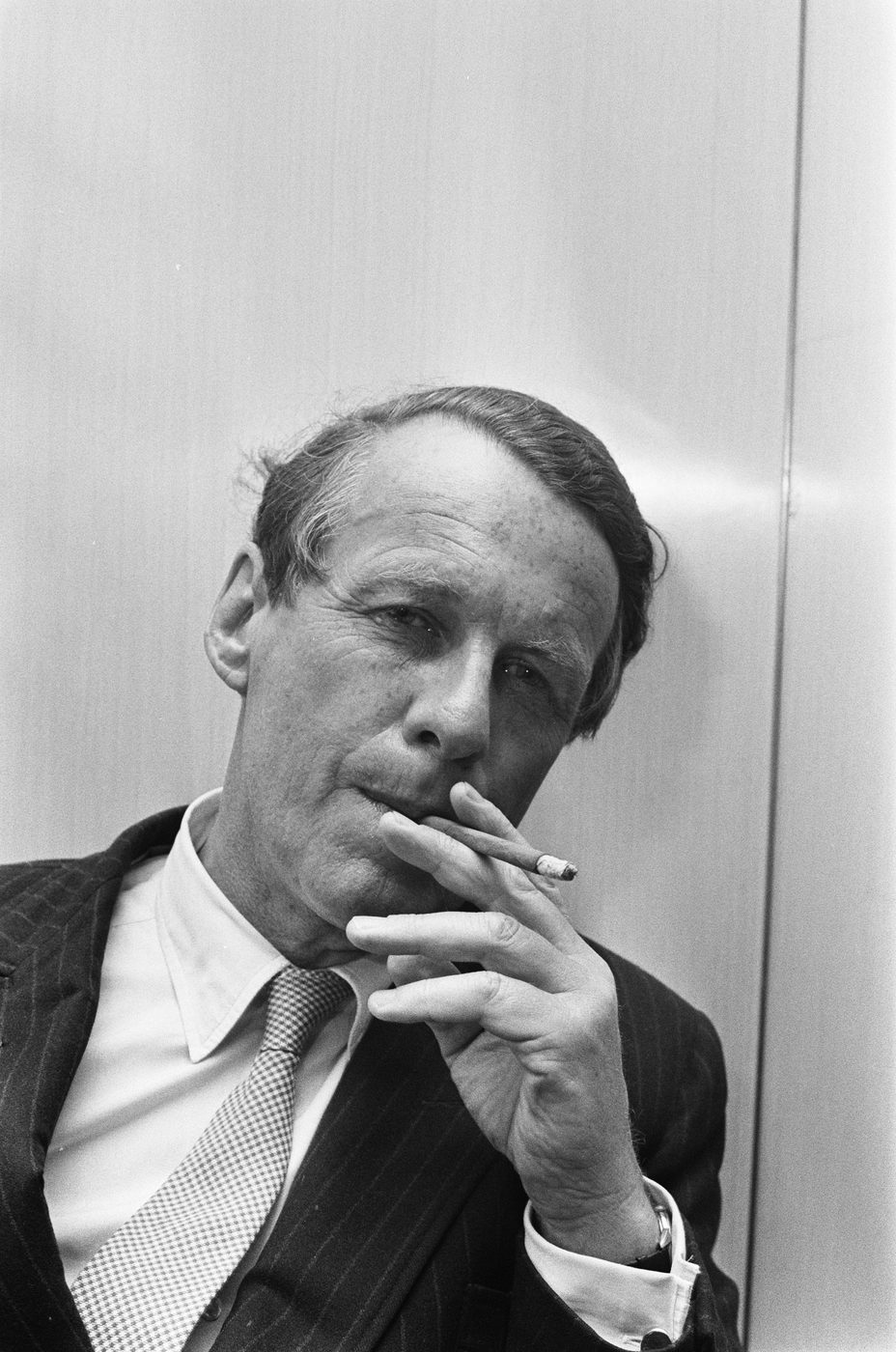
Before he was the most famous advertising man alive, David Ogilvy knocked on doors in 1930s Scotland selling AGA cooking stoves. He sold them to nuns, to skeptics, to anyone who'd open the door, and within a year he was the company's top salesman.
His boss asked him to write down how he did it. The result, "The Theory and Practice of Selling the AGA Cooker" (1935), was later called by Fortune magazine "probably the best sales manual ever written" (Goodreads).
That little booklet got him his first ad-agency job and launched one of the great marketing careers. The lesson underneath it never changed: Ogilvy outsold everyone because he knew the product more deeply than the buyer ever could, and he could answer any objection before it landed.
Dale Carnegie, Who Made Likability Teachable
1888-1955 · Selling, then teaching
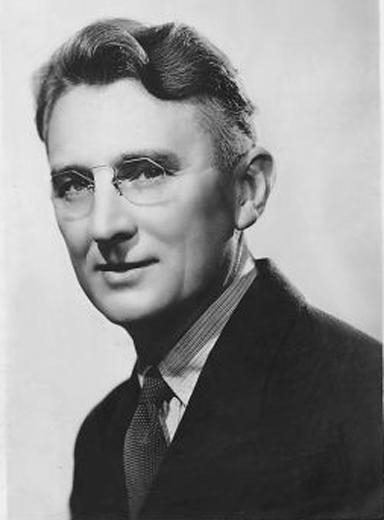
Dale Carnegie started out selling bacon, soap, and lard for Armour & Company, then correspondence courses, before he figured out his real product: teaching ordinary people how to be persuasive.
His 1936 book, "How to Win Friends and Influence People," sold 250,000 copies in its first three months and has since moved more than 30 million copies worldwide (Wikipedia; Simon & Schuster). Nearly a century later, it's still in print and still on sales-team reading lists.
Carnegie's breakthrough was simple and a little uncomfortable: people don't care about you or your product, they care about themselves. Great selling means genuine interest in the other person's problem, not a better pitch about you.
John H. Patterson, Who Invented Professional Selling
1844-1922 · Cash registers
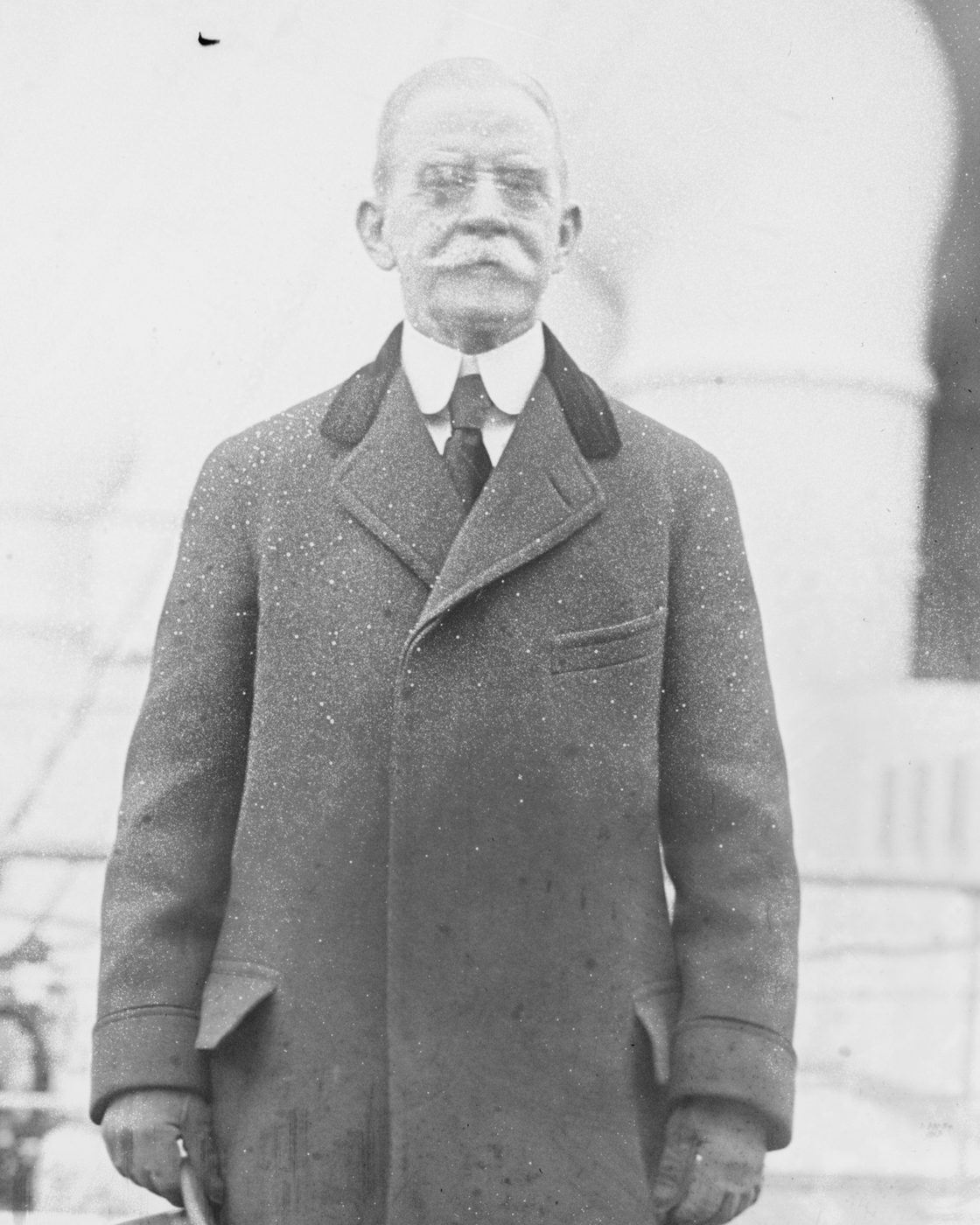
Almost everything you think of as "sales" was invented by one man. John H. Patterson, founder of the National Cash Register Company, built the world's first sales training school and is widely called the father of professional selling (Selling Power; Wikipedia).
In the 1880s, Patterson handed his reps a memorized script (the "Primer"), assigned guaranteed territories, and drilled them on how to demonstrate a register while they talked. That training reportedly doubled the company's business in its first year.
His alumni didn't just sell registers. NCR's sales graduates went on to found IBM and Burroughs. Patterson's real product was a repeatable system, proof that selling is a skill you can engineer and teach, not a gift you're born with.
Zig Ziglar, Who Turned Belief Into a Method
1926-2012 · Cookware, then motivation
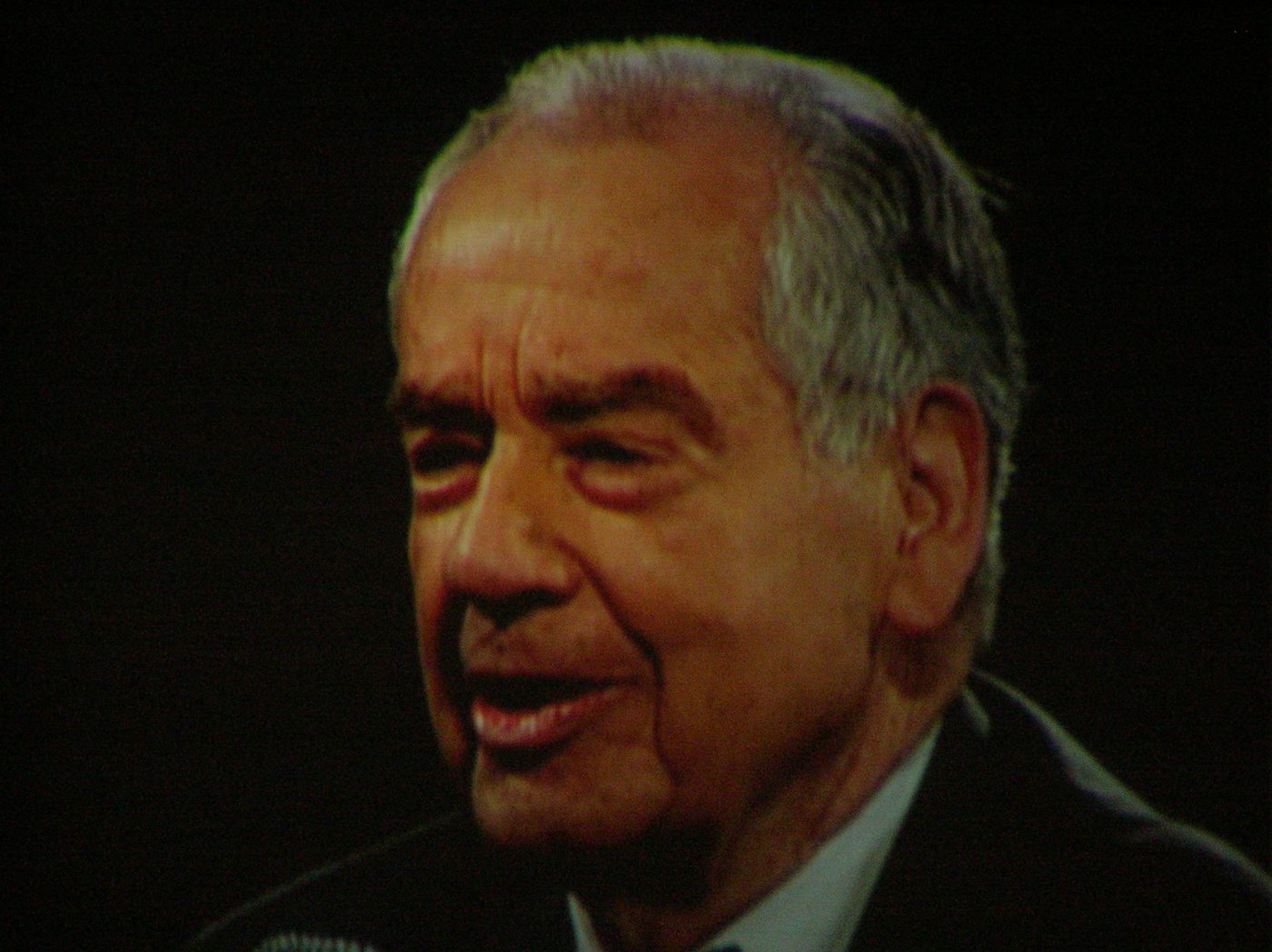
Zig Ziglar started out selling WearEver cookware door-to-door, struggling for years, until he turned it around and was promoted to field manager and then divisional supervisor by 1950. Then he spent the next half-century teaching reps that attitude is a trainable sales skill.
His book "See You at the Top" was rejected by around 30 publishers before it came out in 1975 and sold more than 250,000 copies. Across his career he wrote over 30 books and spoke to millions (Wikipedia).
Ziglar's most-quoted line is the whole philosophy: "You can have everything in life you want, if you will just help enough other people get what they want." He reframed selling from taking to serving, and that reframe is still the difference between a pushy rep and a trusted one.
Ron Popeil, the King of the Demo
1935-2021 · Gadgets, on TV
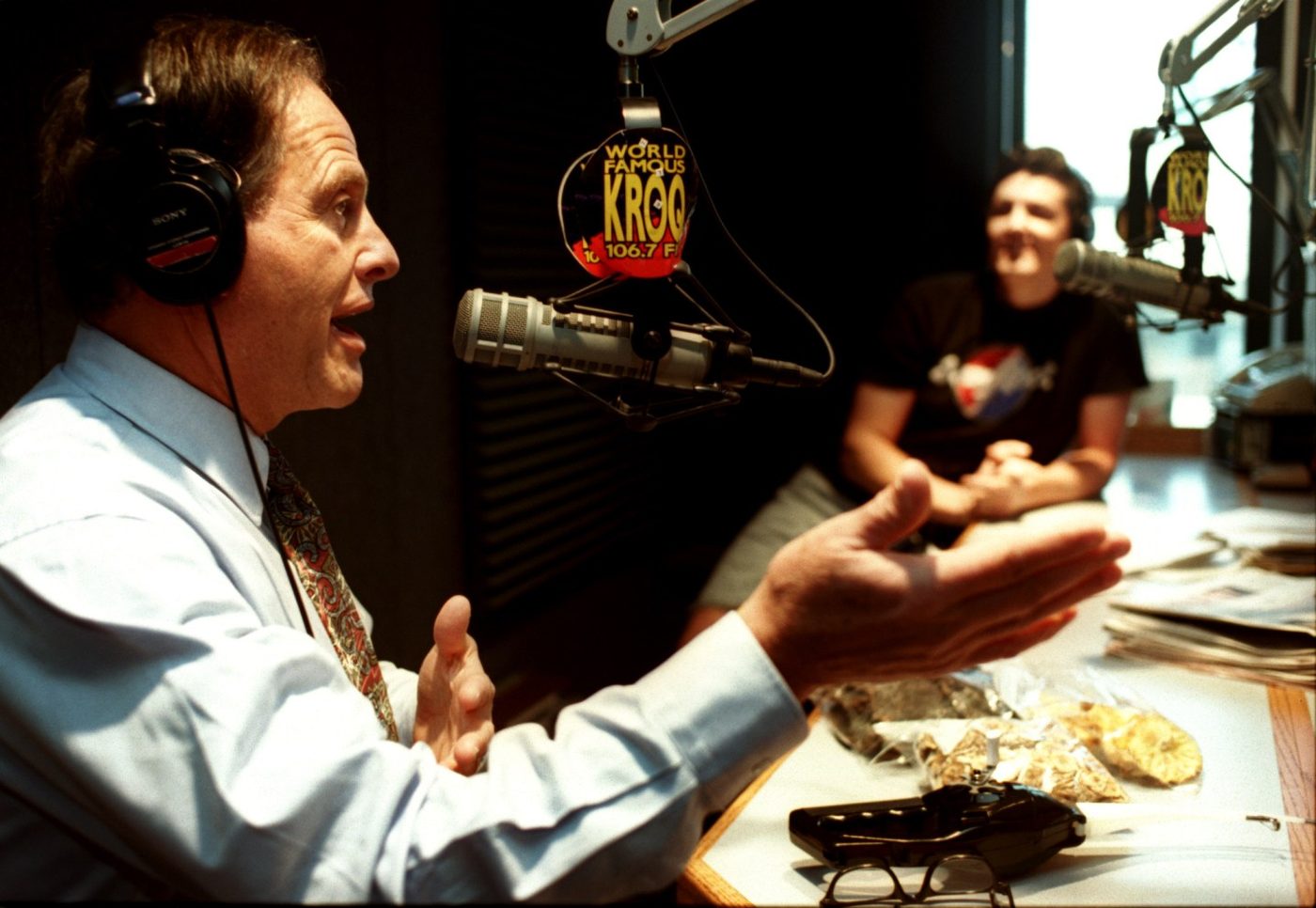
If you've ever heard "Set it and forget it!" or "But wait, there's more!", you've met Ron Popeil. He founded Ronco in 1964 and basically invented the infomercial as a selling machine (Wikipedia; Inc.).
His Showtime Rotisserie sold more than 8 million units in the US alone, helping push Ronco's housewares past $1 billion in sales. The Pocket Fisherman, the Veg-O-Matic, Mr. Microphone: he moved them all the same way.
Popeil's secret was never the script. It was the live demonstration. He showed the product doing the thing, right now, in front of you, until wanting it felt inevitable. Telling people about a benefit is weak. Letting them watch it happen is closing.
Erica Feidner, the "Piano Matchmaker"
Steinway · Consultative selling
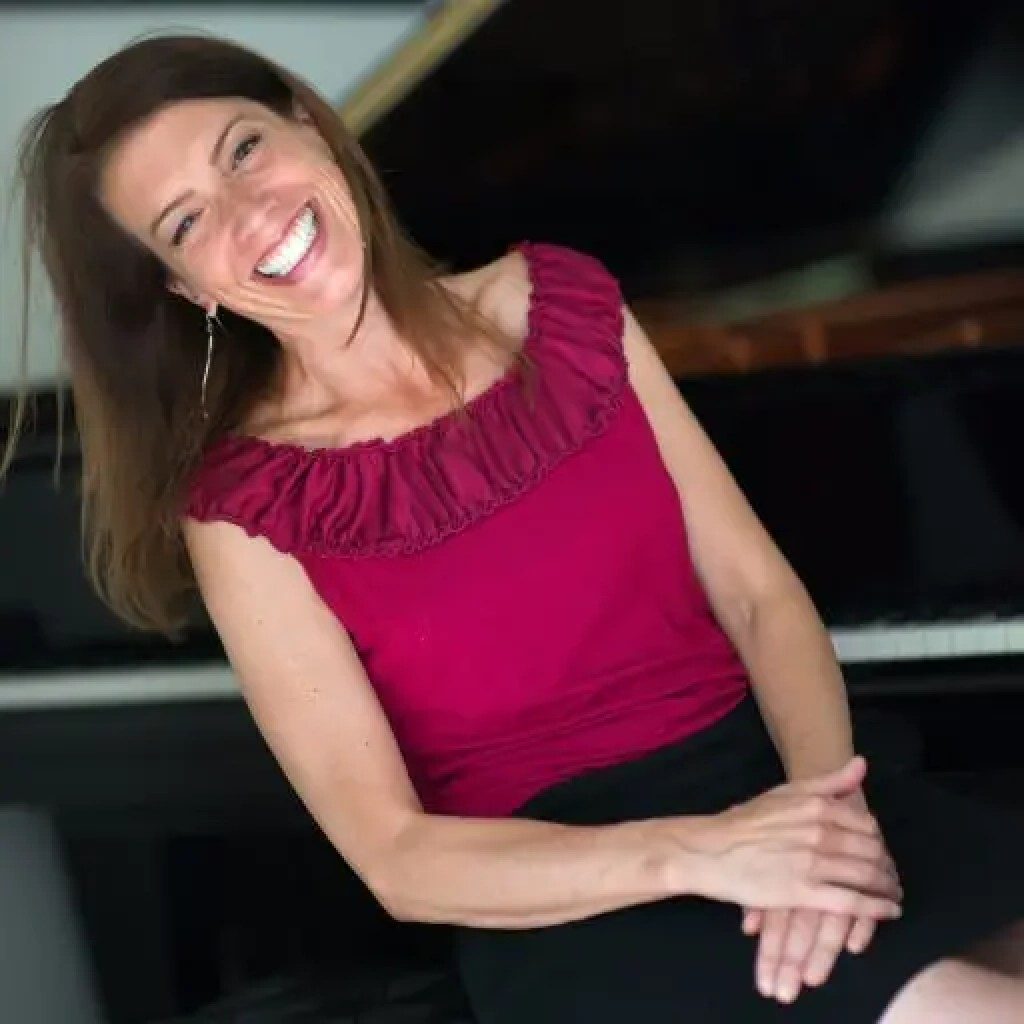
Erica Feidner sold more than $40 million worth of pianos for Steinway & Sons and was, for nearly a decade, the company's top salesperson worldwide. Inc. magazine named her one of the "10 Greatest Salespeople of All Time" (CBS News; Ivey/UWO).
She refuses to call herself a salesperson. She calls herself a piano matchmaker, and that's not branding fluff, it's her entire method. Feidner didn't sell the most expensive instrument. She found the one piano that fit a specific person's hands, room, music, and life.
The result was a buyer who felt understood instead of sold to, and who'd never dream of returning the piano. Consultative selling done right doesn't feel like selling at all.
Steve Jobs, Who Sold Vision Instead of Specs
1955-2011 · Technology
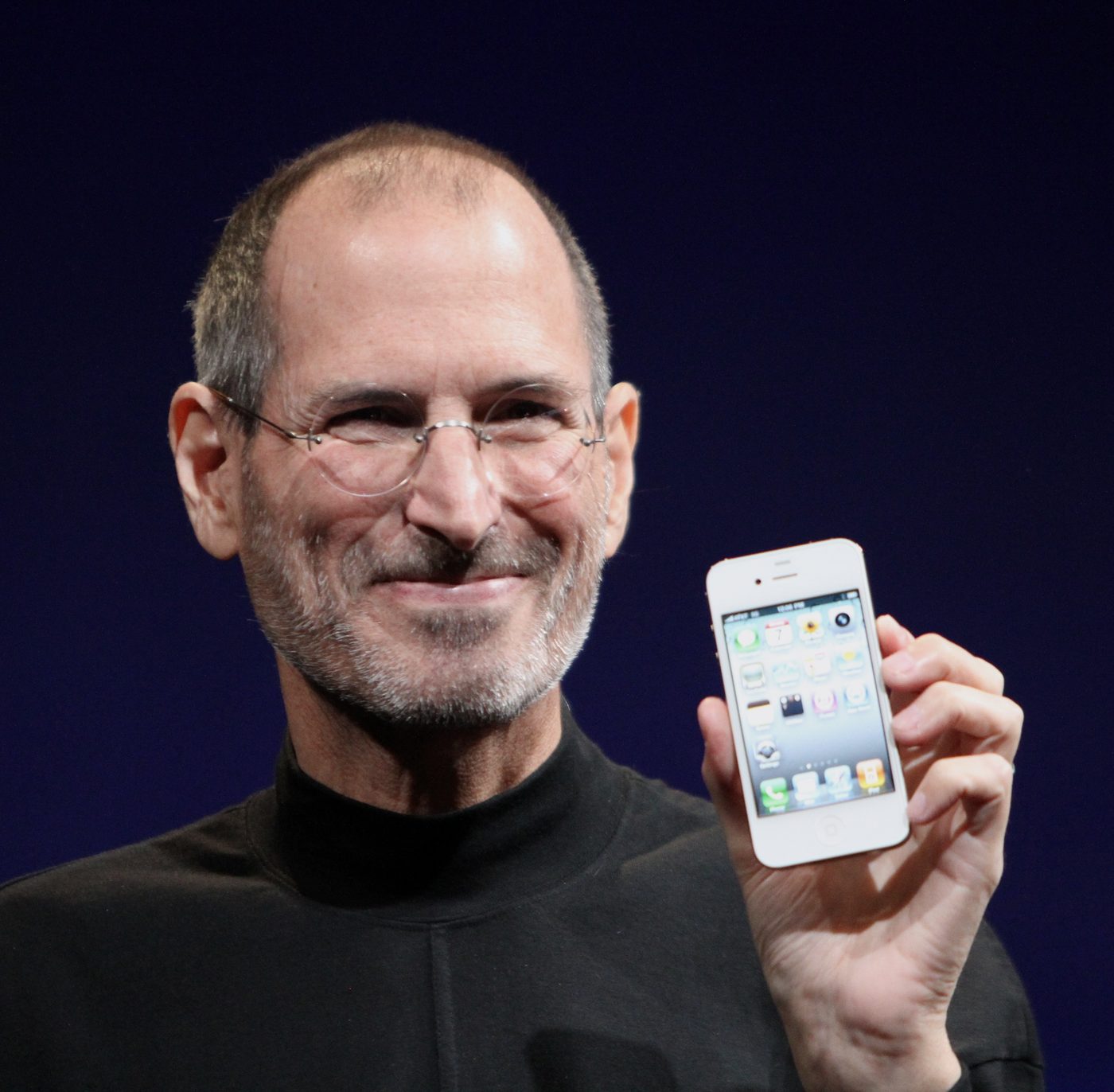
Steve Jobs never carried a quota, but put him on a stage and he could make a rectangle of glass feel like the future. His colleagues called it the "reality distortion field", his ability to make people believe (Wikipedia).
When he unveiled the iPhone in January 2007, he didn't lead with the spec sheet. He told a story: an iPod, a phone, and an internet device, in one. As his friend Alan Kay put it, "Steve understands desire" (All About Steve Jobs).
And the "magic" was rehearsal. Jobs drilled those keynotes obsessively, which is the part most people skip. He sold the outcome the product made possible, not the components inside it, and he practiced until it looked effortless.
Jordan Belfort, the Cautionary Tale
b. 1962 · Stocks · Convicted of fraud
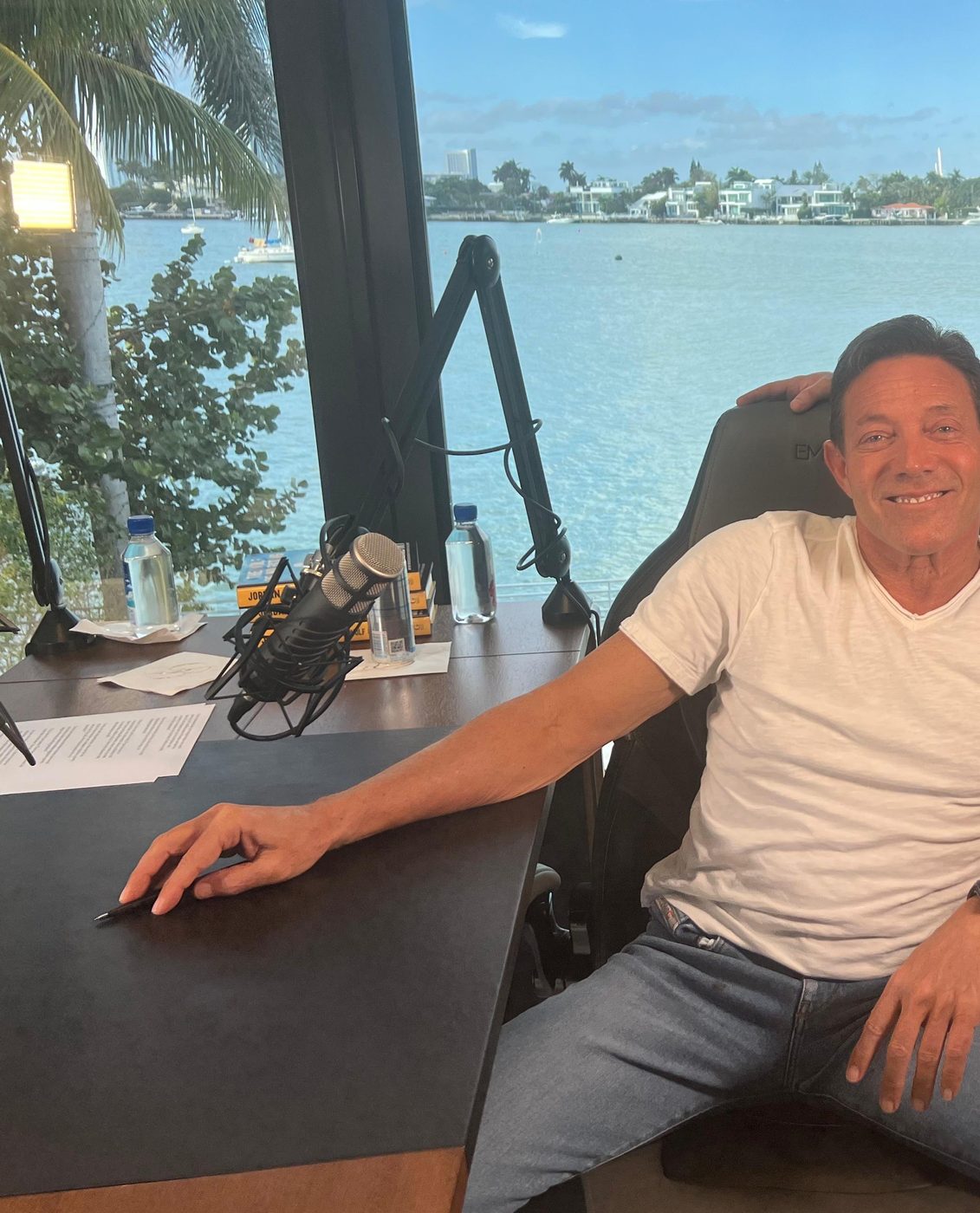
We're including Jordan Belfort because pretending the best persuaders are all saints would be dishonest. His sales mechanics were genuinely elite. His application was criminal.
Through his brokerage Stratton Oakmont, Belfort ran a penny-stock pump-and-dump that defrauded roughly 1,513 investors out of about $200 million. He pleaded guilty in 1999, served 22 months in prison, and was ordered to pay $110.4 million in restitution, most of which remains unpaid (Wikipedia; MoneyWeek).
Ali Reda, the Modern Record-Breaker
Active · Cars
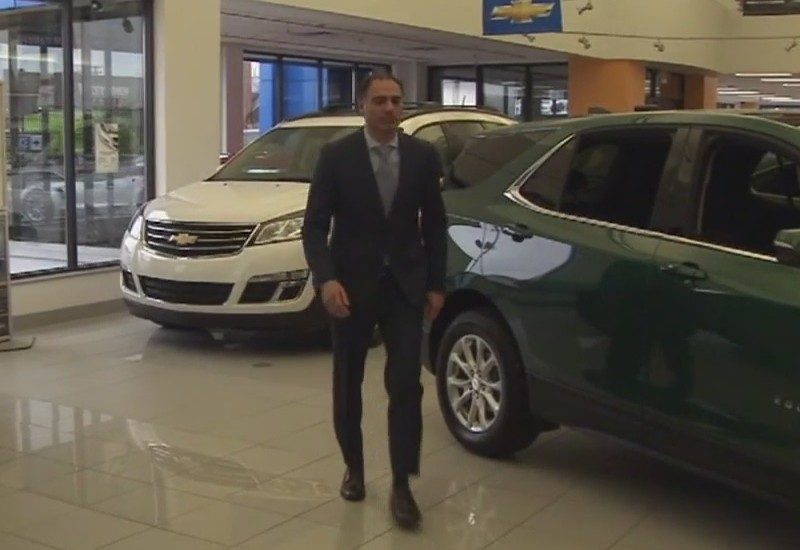
Joe Girard's single-year record of 1,425 cars stood from 1973 until a salesman at Les Stanford Chevrolet in Dearborn, Michigan, broke it. In 2017, Ali Reda reportedly sold 1,582 cars in a single year, a figure General Motors verified (GM Authority; Fox 2 Detroit).
It got messy. Girard disputed the number and threatened legal action, and Guinness eventually backed away from the category rather than referee the fight. We're noting the dispute honestly. But the bigger point stands.
Reda's run is proof that the volume game Girard mastered is still being played, and still being beaten. The legends aren't a closed museum. Someone is breaking records right now, mostly through relationships and referrals, the same fundamentals Girard used 50 years earlier.
What the Greatest Salespeople Have in Common
Read the list back and a pattern jumps out. Ogilvy sold stoves before he sold ads. Ziglar struggled with cookware before he wrote a word. Patterson built a school because he knew selling could be taught. Even Girard wasn't a natural, he was broke and desperate before he became the best in the world.
None of them were born closers. They were made. Each one isolated a skill (follow-up, demonstration, discovery, vision) and ran it thousands of times until it was automatic.
Greatness Is Reps, Not DNA
There's a name for what these legends did the slow way: deliberate practice. The research on expert performance, led by psychologist K. Anders Ericsson, found that elite performers in every field are built through structured repetition plus immediate feedback, guided by a coach, not raw talent (Ericsson et al., Harvard Business Review, 2007).
That's the catch for reps today. Girard had 13,000 live customers to practice on. Most reps can't burn that many leads learning the basics, and nobody has a manager free to run roleplays for three hours a day.
This is exactly the gap modern AI roleplay closes. You spin up a realistic buyer, throw the objections you actually face, and get feedback on every rep, no real deal at risk. It's deliberate practice for selling, on demand. If you want the playbook, start with our guide to sales roleplay best practices, these roleplay scenarios that actually improve performance, and our rundown of the best AI sales roleplay tools if you're comparing options.
 It's not just theory. Globe Life doubled its new-hire close rates with Kendo by giving reps unlimited practice against realistic objections.
See the results →
It's not just theory. Globe Life doubled its new-hire close rates with Kendo by giving reps unlimited practice against realistic objections.
See the results →
Modern B2B and SaaS Sales Experts Worth Studying
The legends above sold cars, cosmetics, and cookware. If you sell software, financial services, or insurance, the playbook looks different, and two waves of experts wrote it: the methodologists who codified modern B2B selling, and a newer, social-era crop teaching it to the next generation. None are ranked here. What they share with the legends is the important part: each one turned selling into a repeatable, teachable skill you can drill.
The methods most modern B2B and SaaS teams are still built on.
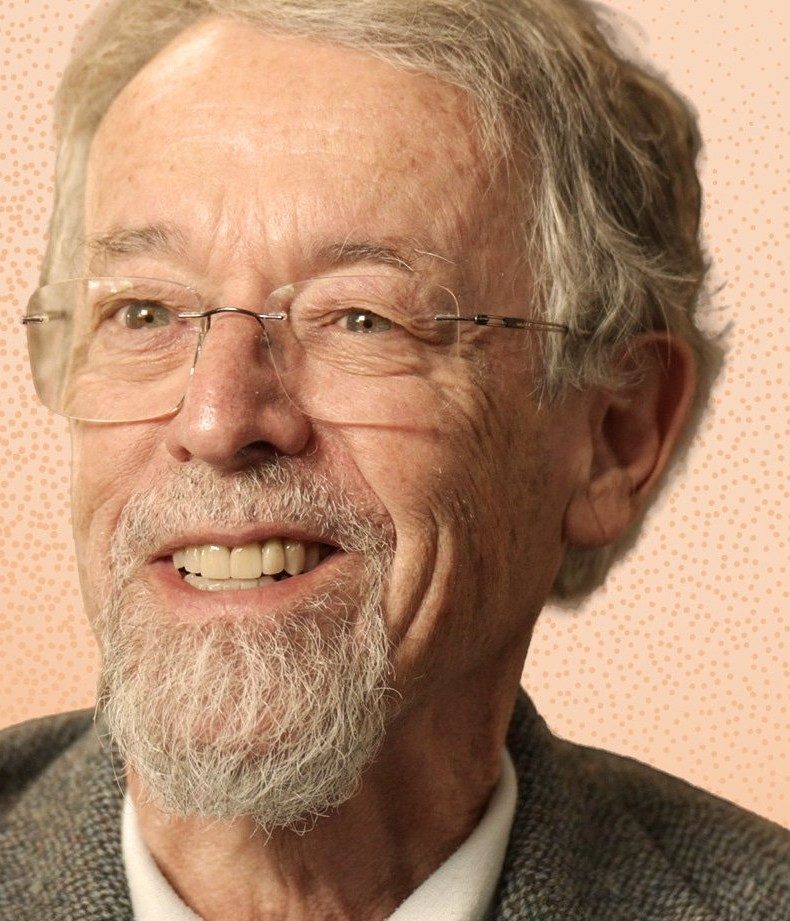
Neil Rackham
Rackham didn't theorize, he ran the numbers. His team studied more than 35,000 sales calls across 12 years to figure out what actually works in big, complex deals, and the answer was asking better questions, not pitching harder (Huthwaite).
Steal thisRun discovery in order: Situation, Problem, Implication, Need-payoff. Make the buyer say the cost of their problem out loud before you mention your product.
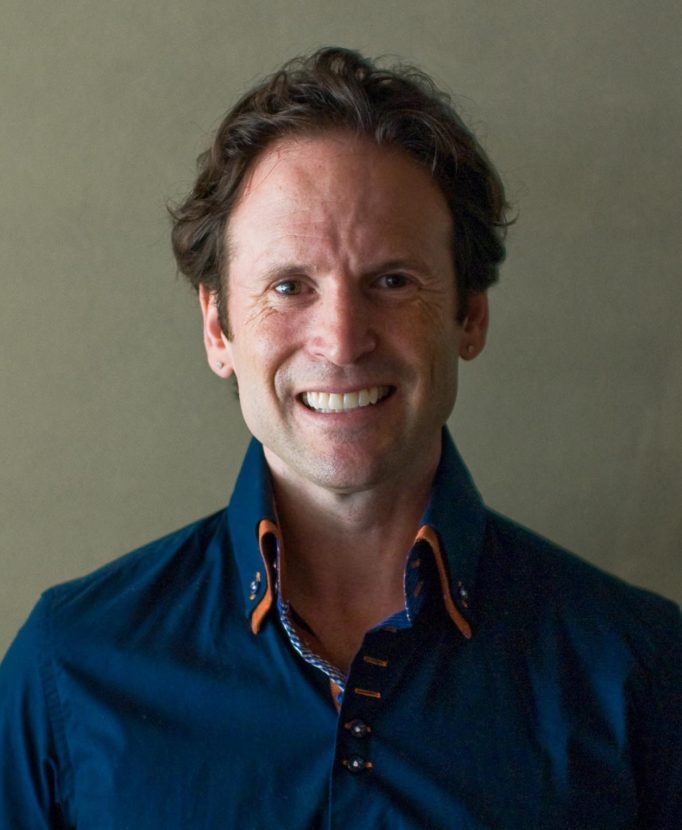
Aaron Ross
At Salesforce, Ross built an outbound process and a dedicated prospecting role (the SDR) that added a reported $100 million in recurring revenue. His book became the pipeline bible for half of SaaS (Predictable Revenue).
Steal thisSplit the job. Separate prospecting from closing so reps go deep on one motion instead of doing everything badly, then practice that one motion until it's clean.
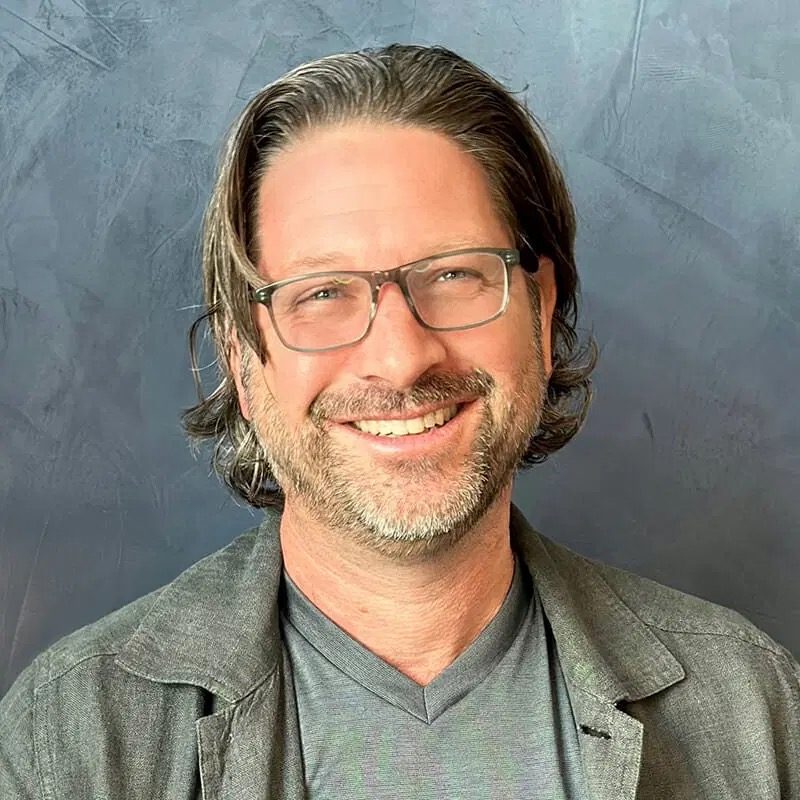
Mark Roberge
As HubSpot's CRO, Roberge grew the sales team from 1 rep to 450 and revenue more than 6,000%, then wrote down the data-driven hiring and coaching system that did it (HubSpot).
Steal thisCoach one skill at a time. Roberge diagnosed each rep's single weakest skill and drilled only that for a month, instead of vague "get better" feedback.
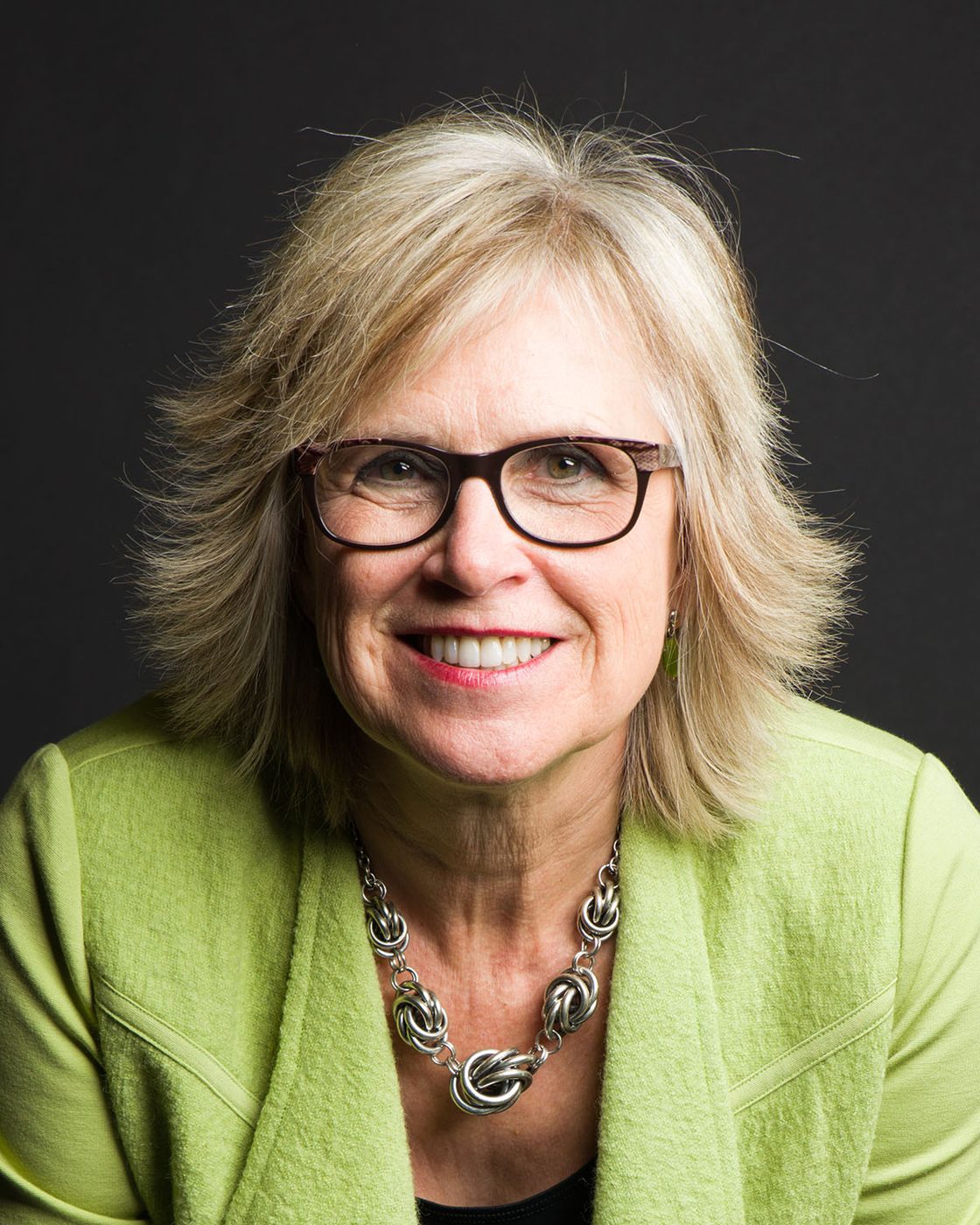
Jill Konrath
Konrath built her whole approach around one truth about modern B2B buyers: they're frazzled, overloaded, and allergic to fluff. Inc. named Selling to Big Companies one of the top "how to sell" books ever (Wikipedia).
Steal thisRespect the buyer's time like it's the deal. Keep it Simple, be iNvaluable, stay Aligned to their priorities, and make every next step a clear Priority.
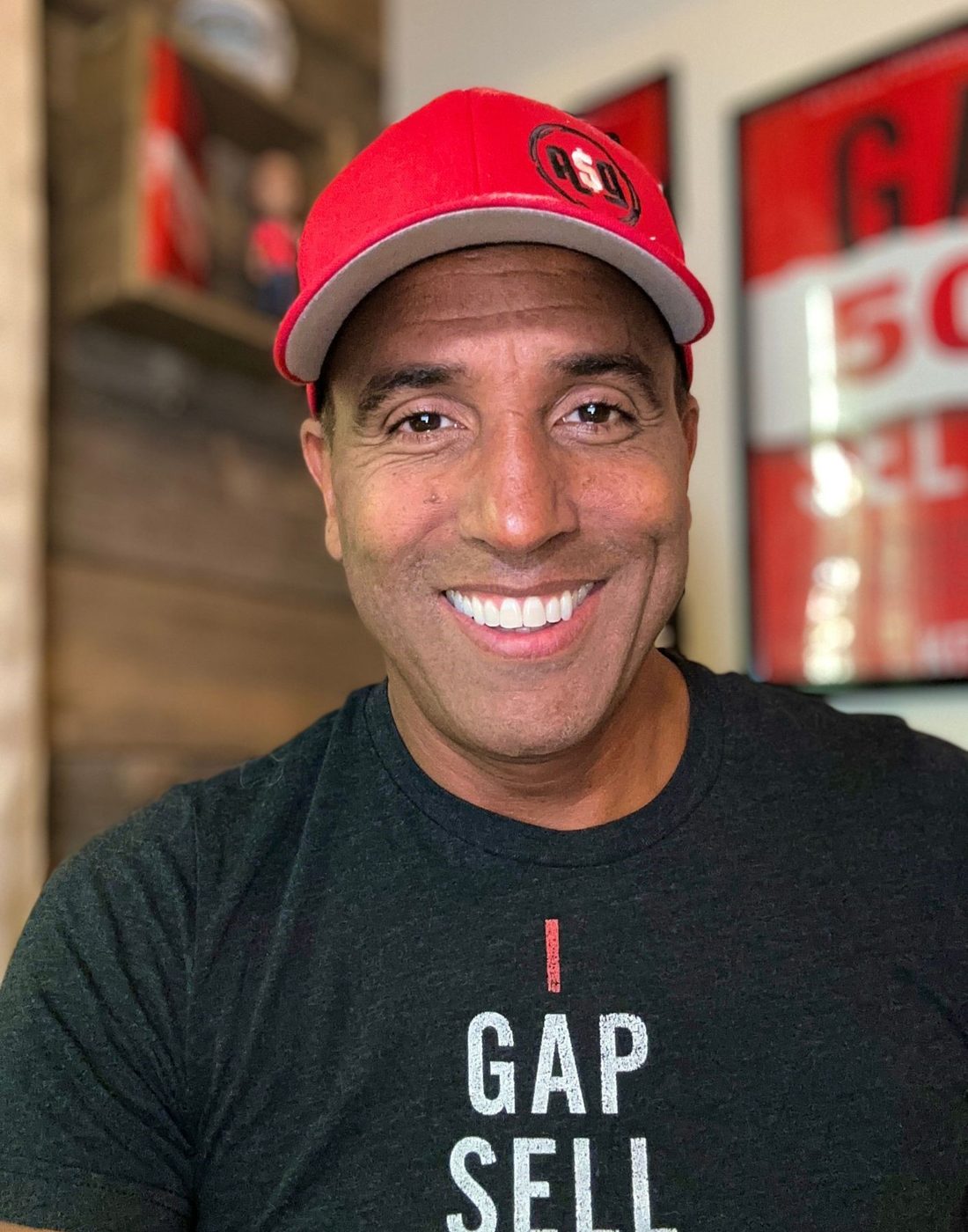
Keenan
Keenan's problem-centric method flips the script: stop pitching features and obsess over the gap between the buyer's current state and where they want to be. Nail the gap and closing stops feeling like closing (Gap Selling).
Steal thisDiagnose before you prescribe. Spend the call quantifying the cost of the problem, so your solution is measured against real pain, not price.
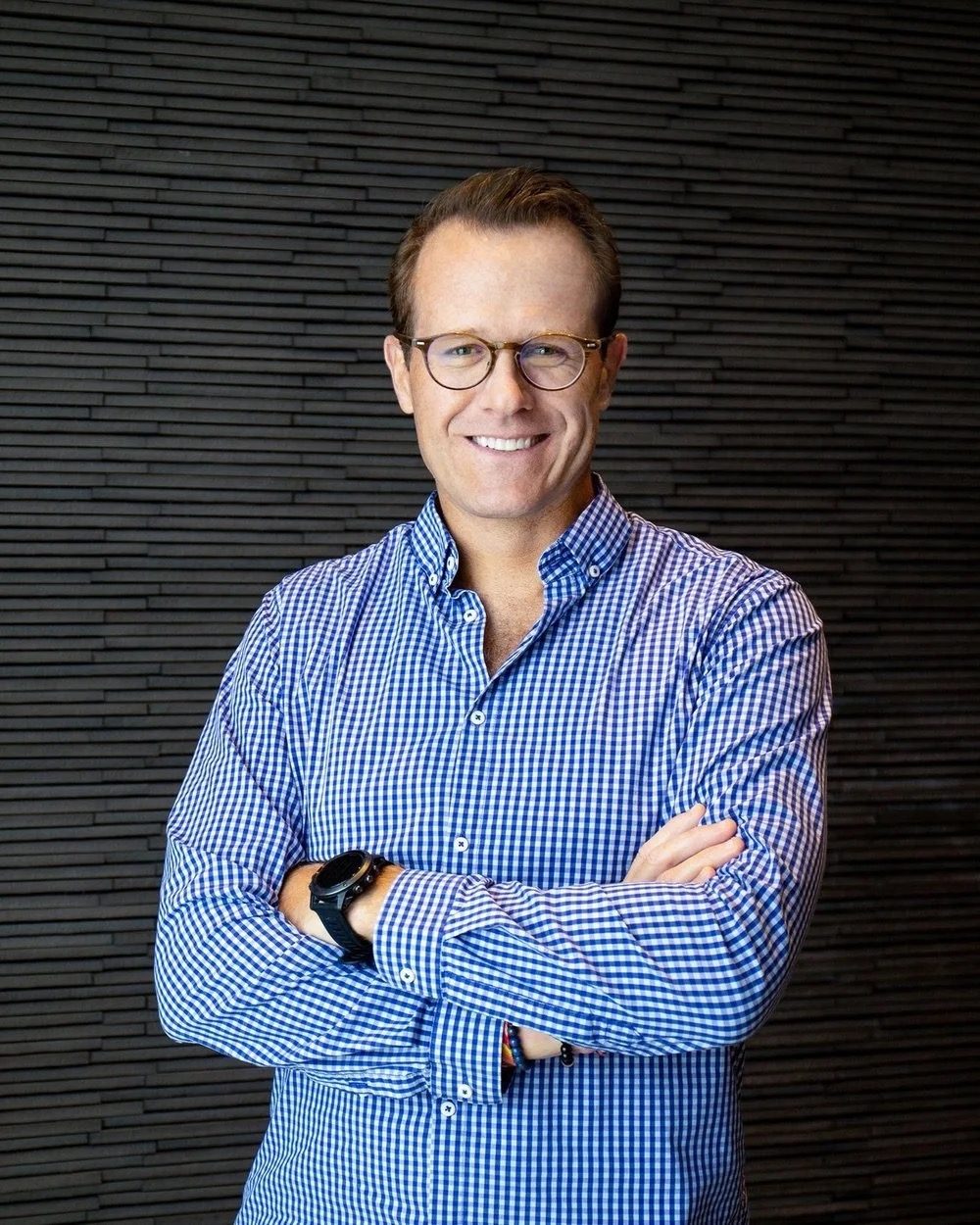
Dixon & Adamson
Their CEB research across roughly 6,000 reps found the top B2B performers weren't the relationship-builders. They were Challengers who taught buyers something new and pushed back when needed (Wikipedia).
Steal thisTeach, tailor, take control. Lead with an insight that reframes how the buyer sees their problem, then guide the conversation instead of just answering questions.
Practitioners teaching today's reps where they actually are: on YouTube, podcasts, and LinkedIn, in the language this generation uses.
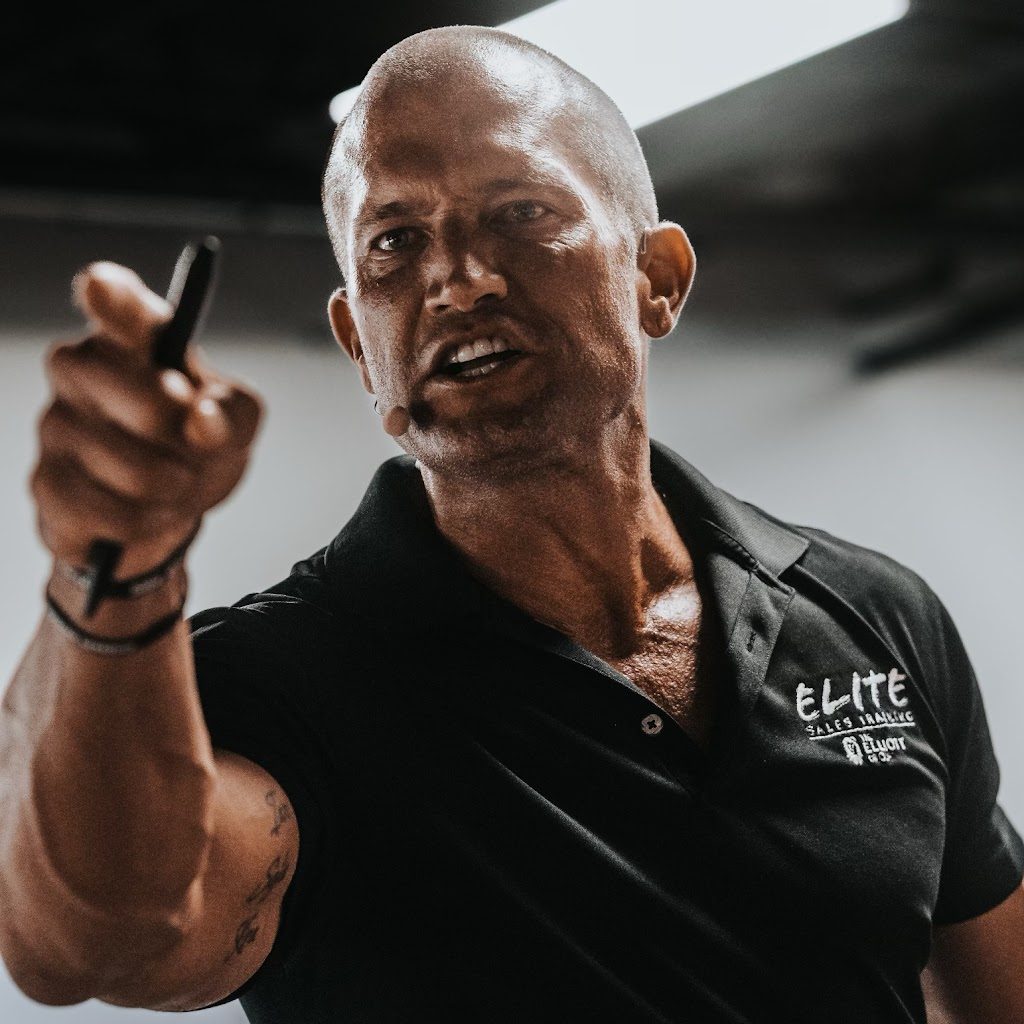
Andy Elliott
Elliott built The Elliott Group from the automotive sales floor into one of the most-watched sales-training brands online, drilling reps on objection handling and certainty until the response is automatic (The Elliott Group).
Steal thisRehearse your rebuttals out loud, on a timer, until "I need to think about it" gets a calm, instant answer instead of a stumble.

Shelby Sapp
Sapp went from knocking doors in pest control to founding SheSells, a high-ticket sales academy built to get more women into hard sales and winning at it (shelbysapp.com).
Steal thisOn a cold approach, lead with calm certainty and assume the conversation instead of asking permission to start it.
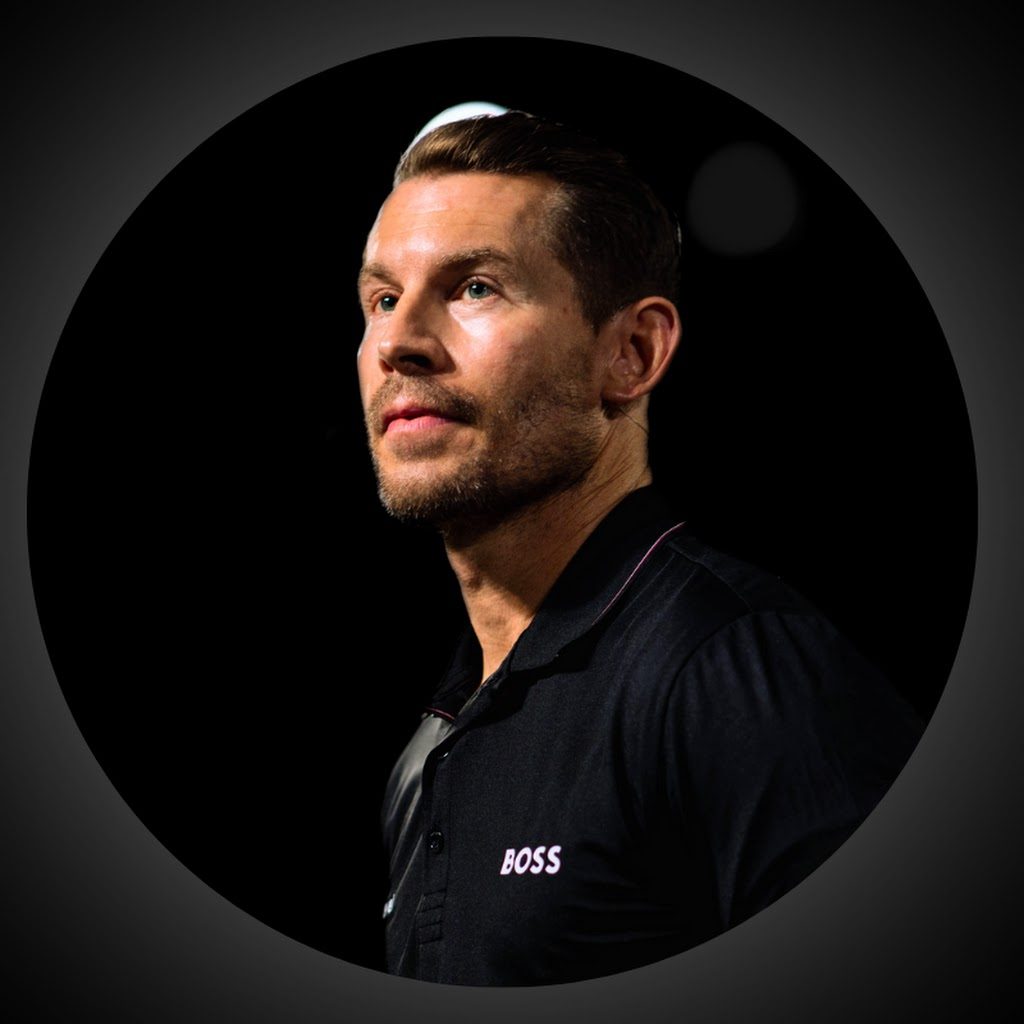
Jeremy Miner
Miner's 7th Level and his NEPQ model (Neuro-Emotional Persuasion Questioning) push reps to stop pitching and start asking problem-finding questions, laid out in his book The New Model of Selling (7th Level).
Steal thisReplace your opener with a problem-awareness question so the prospect names the pain out loud before you offer anything.
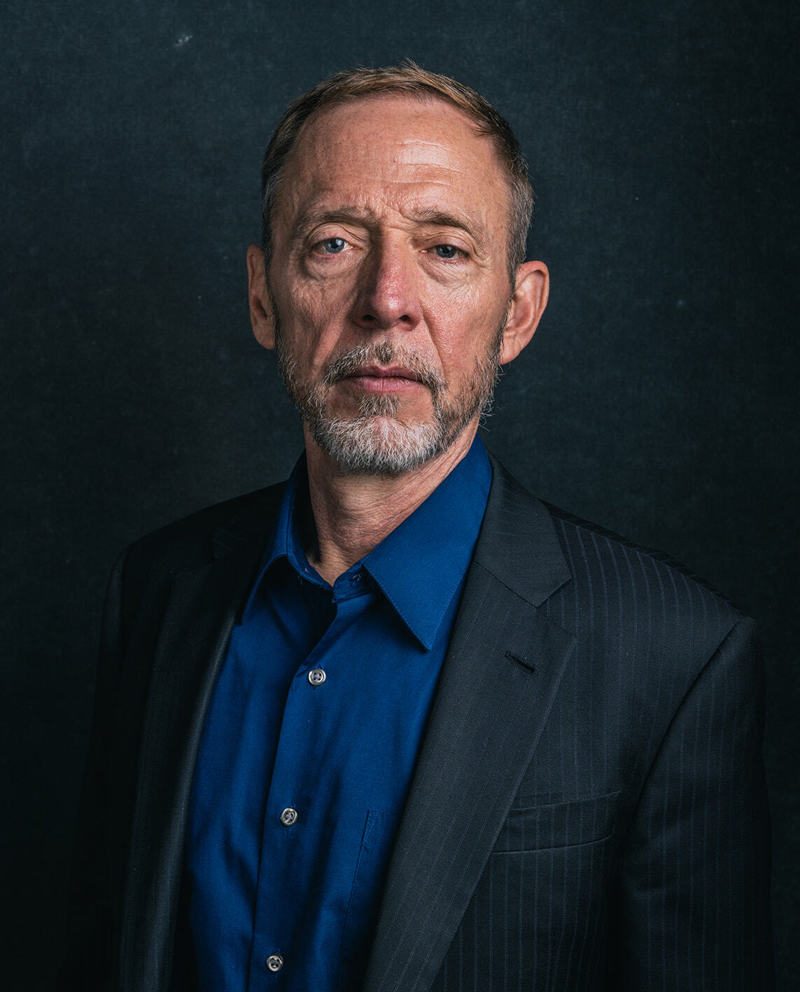
Chris Voss
A former FBI lead hostage negotiator, Voss turned negotiation into a repeatable skill set in Never Split the Difference: labeling, mirroring, and calibrated questions (Black Swan Group).
Steal thisSwap a flat "no" for a calibrated "How am I supposed to do that?" and let the other side solve your problem.
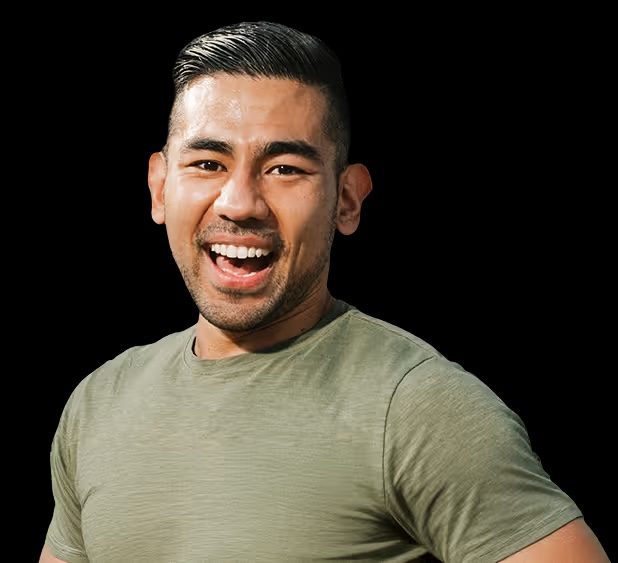
Armand Farrokh & Nick Cegelski
Farrokh and Cegelski run 30 Minutes to President's Club, one of the most-followed modern B2B sales shows, and wrote Cold Calling Sucks (And That's Why It Works), turning current tactics into specific, stealable plays (30MPC).
Steal thisEarn the cold call with a quick "Can I tell you why I'm calling?" before you launch into anything.
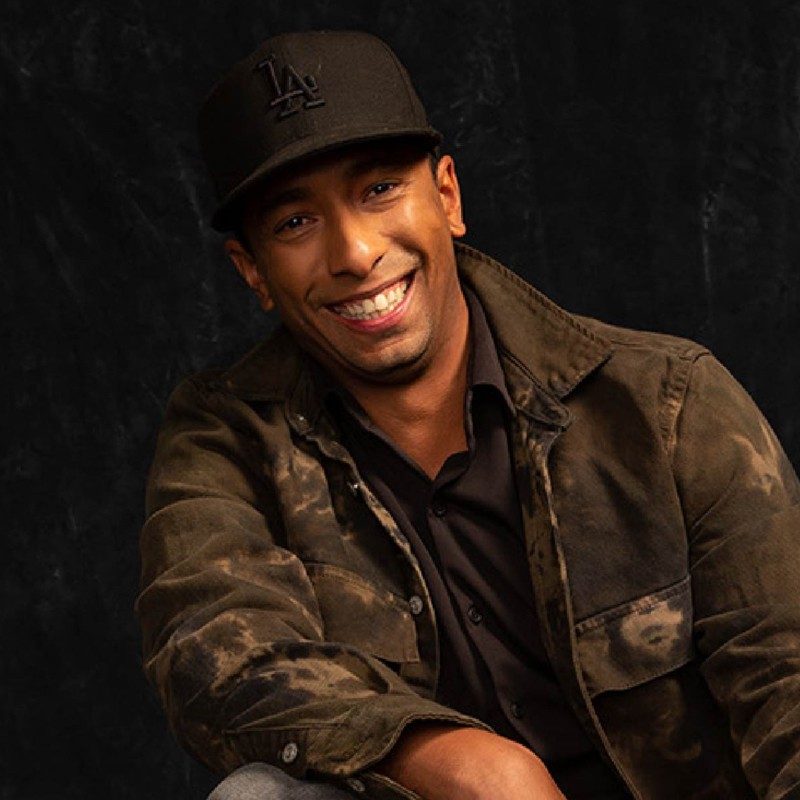
Kevin "KD" Dorsey
Dorsey is one of the most-followed SaaS sales leaders, known for building teams from zero to 150 reps and teaching coaching frameworks like BIPSY through his Sales Leadership Accelerator (LinkedIn).
Steal thisBefore coaching a slumping rep, isolate which layer is actually broken, behavior, process, or skill, instead of fixing the symptom.
Notice the through line. SPIN, Challenger, Gap Selling, SNAP: every one of them is a structured, repeatable motion, the same thing Patterson drilled into NCR reps a century ago. The framework is only worth what you can execute live, under pressure, when a real buyer pushes back. Teams that operationalize these methods at scale lean on the best sales training software to turn a chosen framework into reps every seller actually runs.
So, Who Is the Best Salesman Ever?
If you're forcing a single name, it's Joe Girard. The 13,001 cars and 12 straight Guinness titles are hard to argue with, and his Law of 250 still gets quoted in sales kickoffs today.
But the honest answer is that "best" depends on what you measure. Mary Kay Ash built the biggest sales organization. Dale Carnegie and John H. Patterson taught more reps to sell than anyone alive. Erica Feidner proved the quiet, consultative approach can outsell the loud one.
What unites all of them is the thing you can actually copy: they out-practiced everyone else. You don't need to be born with it. You need reps, feedback, and a skill worth drilling. Spin up your toughest buyer and run your first roleplay free.
Common Questions About the Greatest Salespeople
Who is the greatest salesman of all time?
Joe Girard is the most-cited answer. The Guinness Book of World Records named him the world's greatest salesman for 12 years running after he sold 13,001 cars between 1963 and 1978. But "greatest" depends on what you measure. Mary Kay Ash built a sales force of 800,000 from a $5,000 start, and Dale Carnegie's selling principles have sold more than 30 million books.
Who sold the most cars ever?
Joe Girard holds the lifetime reputation with 13,001 cars and the long-standing single-year record of 1,425 (1973). In 2017, Ali Reda of Les Stanford Chevrolet reportedly sold 1,582 cars in a single year, a figure General Motors verified, though Girard disputed it and Guinness ultimately stepped back from the category.
Who is the best salesperson in the world today?
There's no single crowned champion working today, but Ali Reda's 1,582-car year shows the volume game is still being played at an elite level. The bigger shift is that today's best reps win on deliberate practice and feedback, not raw hustle alone.
Were the greatest salespeople born or made?
Made. Nearly every legend on this list drilled a specific skill until it became automatic. David Ogilvy was a door-to-door cooker salesman, Zig Ziglar sold cookware, and John H. Patterson literally invented sales training. Research on expert performance points to deliberate practice (structured repetition plus immediate feedback) as the driver, not innate talent.
Can you actually learn to sell like the best salespeople ever?
Yes, by isolating one skill at a time and repeating it under realistic pressure with feedback. That's exactly what these legends did the slow way, and it's what modern AI roleplay lets reps do on demand, practicing objection handling, discovery, and closing against a realistic buyer before a real deal is on the line.
Is Jordan Belfort really one of the best salespeople?
His persuasion mechanics were elite, but his application was criminal. Belfort ran a penny-stock pump-and-dump at Stratton Oakmont that defrauded roughly 1,513 investors of about $200 million, pleaded guilty in 1999, and served 22 months in prison. He's on this list as a cautionary study in technique, not a role model.

Luke Alexander is the founder of Kendo AI, where he's helped train more than 5,000 sales reps. He started in sales as a frontline closer, scaled a high-ticket sales-training company, and founded Closer Cartel and AI Insiders before building Kendo to fix the tools he wished he'd had: realistic AI roleplay and automated call review for fast-moving sales teams. He writes about sales training, ramp speed, objection handling, and applying AI across the revenue org.